Build your team
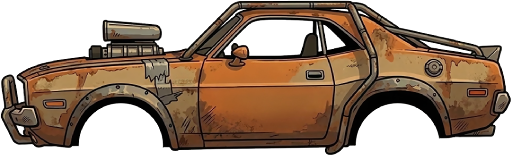
Lock in a Driver, Vehicle, and any Co-pilots for the season. Their stats shape speed, reliability, repair odds, and loot outcomes.
Get on the list for mint. Roadtrip Hell is an epoch-based junker race on Avalanche. Build your team, lock it in for the season, aim for the crash site or salvage glory, and check in around epoch close. No 24/7 grind.
How it works
Lock in a Driver, Vehicle, and any Co-pilots for the season. Their stats shape speed, reliability, repair odds, and loot outcomes.
Before the epoch closes, pick Push, Steady, or Safe. Push trades more speed for more breakdown risk. Safe lowers risk but slows you down.
When the epoch resolves, you can gain distance, scrap, Rare Parts, or Repair Kits. Breakdowns, repairs, and wear also apply. Repairs can fail, and if you break down and do not repair, that vehicle is out for the season.
Team & items
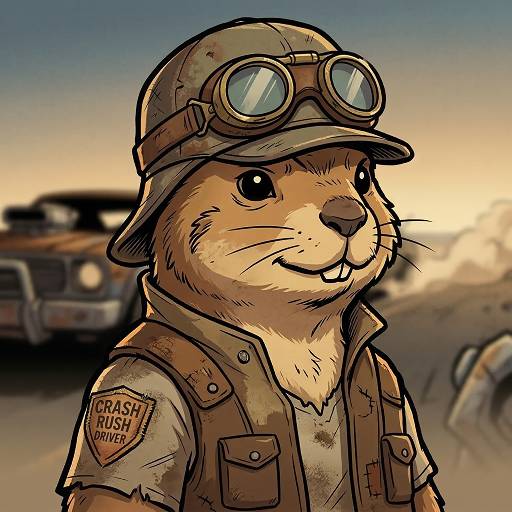
Drivers bring mechanics, luck, endurance, and navigation into every epoch.
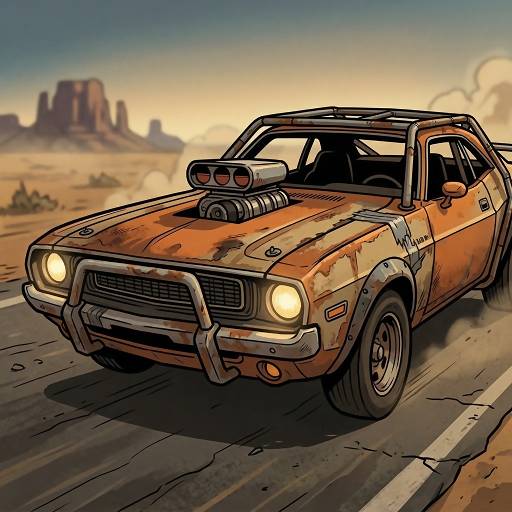
Vehicles bring speed, reliability, age, and cargo space. Wear builds over the season, and a breakdown can end a run if you cannot repair.
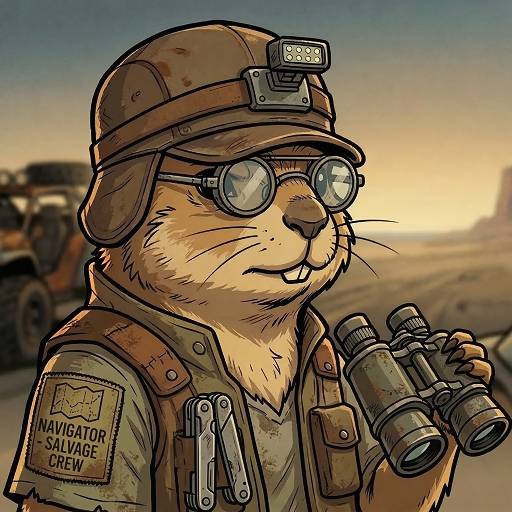
Co-pilots add boosts to key stats like speed, reliability, mechanics, luck, endurance, or navigation.
Wallet-owned team NFTs, season-locked teams, Rare Parts trading, claimable epoch rewards, and semi-async play on Avalanche C-Chain.
Act
Docs
Core loop, two win conditions, season lock-in, and the epoch model.
Drive modes, breakdowns, repair attempts, wear, rewards, and what updates after resolution.
Drivers, Vehicles, Co-pilots, Repair Kits, Rare Parts, and the stats that shape each run.
Wallet setup, seasons, repairs, rewards, and the key rules players ask about.
FAQ
A seasonal, epoch-based race on Avalanche where you lock in a junker team for the season and compete either by reaching the crash site first or by finishing with the highest Salvage Score.
Check in a few times a day. No 24/7 grind.
You do not need to be online all day. An epoch is one decision window. Before it closes, you choose a drive mode and, if your vehicle is broken, attempt a repair.
After it closes, the game resolves distance, scrap, wear, and random events. The game is built for check-ins around epoch times, not constant real-time play.
Avalanche C-Chain. Use an Avalanche-compatible EVM wallet such as Rabby, MetaMask, Core Wallet, or another supported EVM wallet.
Other chains are not supported in 1.0.
Solana is planned for after 1.0. It will be a separate implementation track (different runtime and contracts). Game design, docs, and asset direction will be reused where possible.
1.0 is Avalanche only.
Each season has a start, a series of epochs, and a clear end before the next season begins. Teams are locked in for the season, and each epoch resolves using your current drive mode, vehicle wear, and repair state.
After the season ends, the road resets for the next season.
Team NFTs are available through mint or secondary market as announced for the season.
You need at least one Driver and one Vehicle to form a team. Co-pilots add stat boosts that can change how a run plays out.
Epoch rewards can include scrap, Repair Kits, and Rare Parts. Rare Parts can also be traded on the Rare Parts market.
Repair Kits are used when a vehicle breaks down. Rare Parts help your season plan by reducing reliance on repairs and improving your odds over time.
If your vehicle breaks down and you do not repair it, that vehicle is out for the rest of the season.
A breakdown also gives you no distance for that epoch unless the repair succeeds, so repair timing and kit management matter.
No. Repair is a success roll. If you break down and have a Repair Kit available, you can attempt a repair, but it can fail.
A successful repair consumes a kit and gets you moving again. If the repair fails, you stay broken, and if you do not repair, that vehicle is out for the season.
Your Driver, Vehicle, and Co-pilot stats all matter, along with your chosen drive mode and the vehicle’s current wear.
Push is faster but riskier. Safe is slower but reduces breakdown risk. Luck also helps with bonus scrap, Repair Kits, and Rare Parts.
Two ways:
Both leaderboards stay visible in the app.
Prize allocations are set on contract. They are not meant to be quietly changed after the season is underway.
Claims use merkle proofs with a timelock, and a guardian monitors submissions against the database. If a compromised account tries to submit a merkle that does not match the recorded results, the guardian can automatically stop it before it goes live.
No. Roadtrip Hell 1.0 does not have a native token you need to buy, hold, or worry about crashing.
The focus is the game, your team NFTs, and season results - not token price speculation.
Read the Docs for Overview, Epoch Flow, Team & Items, and FAQ. Join Discord for updates and support.